South Carolina Has the Worst Foreclosure Rate in the Country — Here's How to Stop Foreclosure on Your Home
ATTOM's August 2026 report put South Carolina at #1 for foreclosure filings — one per 1,547 homes, with Columbia, Spartanburg, and Charleston among the hardest-hit metros. If you're behind on your mortgage or facing foreclosure, here's what to do.
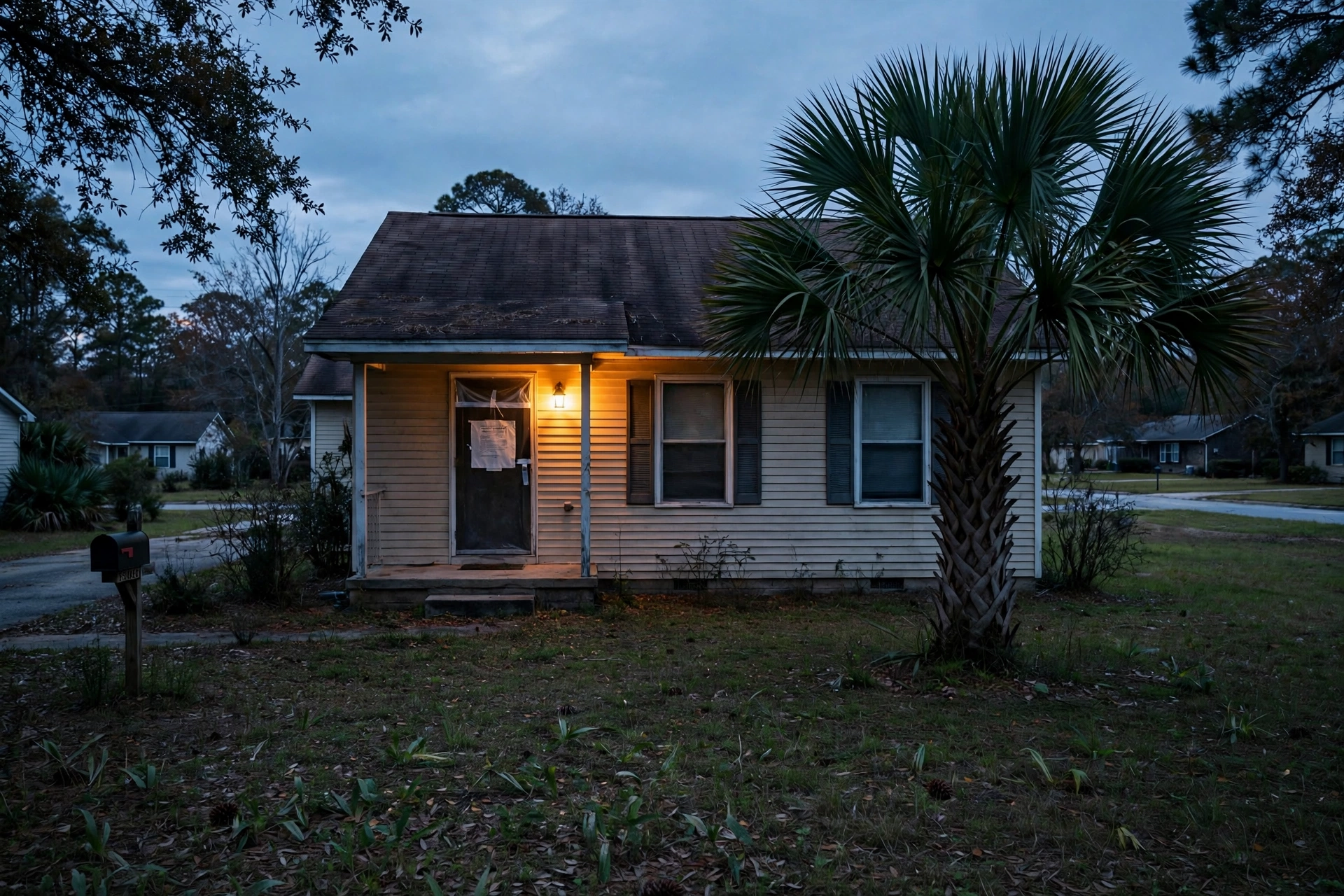
South Carolina now leads the nation in foreclosure filings. ATTOM's August 2026 report shows one foreclosure filing for every 1,547 housing units in the state — more than twice the national rate. Columbia posted the worst metro rate in the country. Spartanburg and Charleston sit in the top five. Filings are up 13 percent from a year ago, and completed foreclosures (bank repossessions) are up 42 percent.
If you are behind on your mortgage or have been served with foreclosure papers, you are not alone — and you still have options. Here is what to do.
Why Is South Carolina Leading the Nation in Foreclosures?
Rising payments are the driver. Homeowners who bought or refinanced at low rates now face higher costs everywhere else — insurance, taxes, and for many, a HELOC or second mortgage whose payment doubled when the draw period ended. Miss enough payments and the lender starts the foreclosure process. Nationally, lenders started foreclosure on 25,894 properties in August alone, up 7 percent from last year.
South Carolina taking the top spot matters for one practical reason: courts and lenders here are processing more of these cases than anywhere else, which means delay helps no one. Act early.
Can I Stop Foreclosure Once It Starts in South Carolina?
Yes — in many cases. South Carolina is a judicial foreclosure state, which means the lender must file a lawsuit and get a court order before it can sell your home. That process takes time, and that time is your leverage. Your options depend on how far behind you are and whether you want to keep the house:
- Reinstate the loan by paying everything past due at once.
- Forbearance or a repayment plan that spreads the missed payments over time.
- Loan modification that changes the loan terms — lower rate, longer term, or both.
- Short sale if the home is worth less than you owe.
- Deed in lieu of foreclosure, handing the property back voluntarily.
- Chapter 13 bankruptcy, which stops the foreclosure and lets you catch up over three to five years.
- Challenging the foreclosure in court when the lender made errors — wrong amounts, missing documents, or skipped steps.
The earlier you act, the more of these stay on the table.
I Was Served With Foreclosure Papers — Do I Have to Answer?
Yes. You have 30 days from being served to file a written answer with the Clerk of Court (Rule 12(a), South Carolina Rules of Civil Procedure). If you do not answer, the lender can take a default judgment — the court accepts the lender's claims as admitted and you lose your right to defend yourself.
File the answer even if you are talking to the lender about a modification. Negotiations do not stop the lawsuit. The case keeps moving unless the court says otherwise, and an unanswered complaint hands the lender everything it asked for.
How Long Can I Stay in My Home During Foreclosure?
Until the foreclosure sale is complete and ownership transfers, the home is still yours. Because South Carolina requires a court order, most homeowners have months — sometimes longer — between the first missed payment and the sale. Do not move out early. Leaving can disqualify you from certain workout options, and you owe nothing to anyone until a court or a completed sale says otherwise.
What Are My Options to Stop Foreclosure in South Carolina?
Start with the servicer, but protect yourself at the same time:
- Call the servicer and ask about loss mitigation. Request forbearance, a repayment plan, or a loan modification application. Put every promise in writing.
- Answer the lawsuit within 30 days if you have been served. This preserves every defense.
- Get the numbers verified. Request an itemization of what the lender claims you owe. Wrong figures, force-placed insurance charges, or misapplied payments are common — and each one is potential leverage.
- Talk to a foreclosure defense lawyer before you sign anything. A deed in lieu or short sale can still leave you owing the balance (see below). A lawyer can tell you which option actually ends your liability.
If you are behind on a second mortgage or HELOC rather than your first mortgage, the rules are different — a junior lienholder can foreclose even when your first mortgage is current.
Can the Lender Come After Me for the Balance After Foreclosure?
In South Carolina, yes. The state allows deficiency judgments — if the foreclosure sale brings in less than you owe, the lender can sue you for the difference. This is the question most homeowners never ask until it is too late. Before you agree to a short sale, deed in lieu, or walkaway, find out whether the lender is waiving the deficiency. Get the waiver in writing.
How Will Foreclosure Affect My Credit?
A foreclosure can drop your credit score by 100 points or more and stays on your credit report for up to seven years. A short sale or deed in lieu also damages your credit, but typically less than a completed foreclosure — another reason to act before the sale happens.
When Should I Call a Foreclosure Defense Lawyer?
Now. The 30-day answer deadline runs whether or not you have a lawyer, and the defenses that work — bad accounting, standing problems, procedural errors — get harder to raise the longer you wait. If you have been served, are 60 or more days behind, or received any certified mail from your lender, get advice before your options narrow.
For the full step-by-step breakdown of how the South Carolina foreclosure process works, read this next: [link to foreclosure process post].
Source: ATTOM August 2026 U.S. Foreclosure Market Report (released September 17, 2026).