Consumer Debt Defaults Are Rising in South Carolina: What to Do When You Can't Pay
More South Carolinians are defaulting on credit cards, medical bills, and loans. If you've lost your job or are overextended, learn your rights under the FDCPA and South Carolina law — and how a debt relief attorney can help.
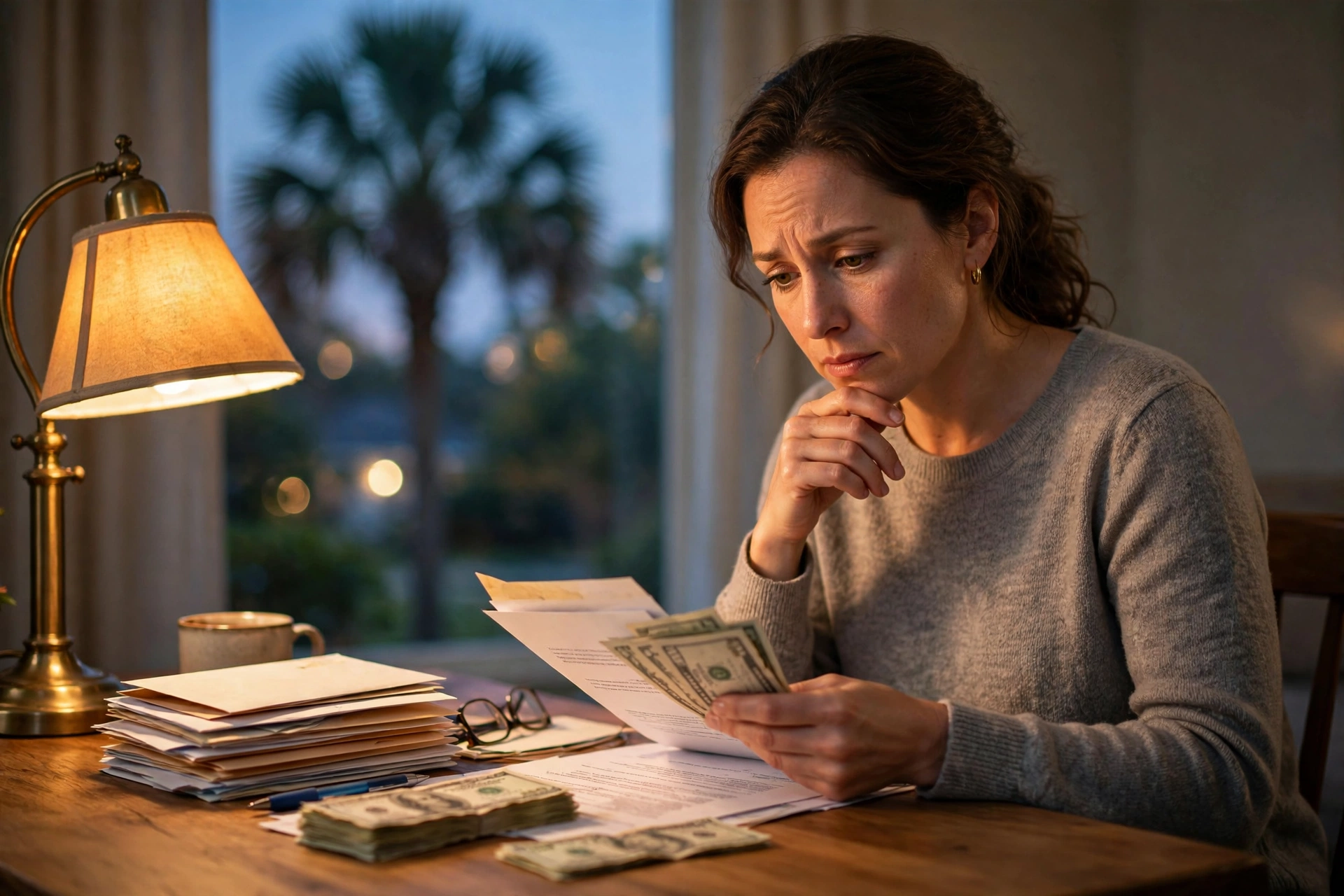
Consumer Debt Defaults Are Climbing Across South Carolina
Across South Carolina, more consumers are falling behind on credit cards, medical bills, personal loans, and mortgages. Job losses, reduced hours, medical emergencies, and the rising cost of everyday living have left many households overextended — unable to keep up with minimum payments, let alone pay down balances. If you are already in default, or you can see default coming, you are not alone, and you have more options — and more leverage — than most people realize.What Happens When You Default on Consumer Debt in South Carolina
When you stop paying, the consequences tend to follow a predictable pattern. Your creditor may charge off the account and sell it to a debt buyer. Collectors start calling — sometimes aggressively. Late payments and charge-offs hit your credit reports, and in South Carolina, creditors can and do file lawsuits to collect. A judgment can lead to bank account garnishment and liens. The further behind you fall, the more important it becomes to understand your rights before you talk to any collector.
Your Rights: The FDCPA, the FCRA, and South Carolina's Debt Collection Laws
Even when you owe the debt, collectors must follow the law. The federal Fair Debt Collection Practices Act (FDCPA) prohibits harassment, threats, false statements, and unfair practices by third-party debt collectors. South Carolina has its own Fair Debt Collection Practices Act as well, and the Fair Credit Reporting Act (FCRA) gives you rights when creditors or collectors report inaccurate information to the credit bureaus. As your attorney, I make sure no creditor or debt collector breaks these laws while pursuing you — and when they do, that violation becomes leverage in your favor.
Options When You Can't Pay: Negotiation, Defense, and Strategic Relief
Being in default — or knowing default is inevitable — does not mean you are powerless. Depending on your situation, I help clients:
Negotiate reduced payoffs and settlements for a fraction of the balance owed, often with structured payment terms you can actually meet.
Stop creditor harassment by directing all collector contact through my office and enforcing your rights under the FDCPA and South Carolina law.
Defend debt collection lawsuits filed by creditors and debt buyers in South Carolina courts — many of these cases have real defenses.
Address underwater mortgages and HELOC loans, including negotiating with lenders when your home is worth less than you owe.
Fix credit reporting errors under the FCRA so your reports reflect accurate information as you resolve your debts.
Why Hire a Debt Relief Attorney Instead of Going It Alone
Collectors negotiate differently when an attorney is on the other side of the table. I know the defenses, the fee-shifting provisions in consumer protection statutes, and the pressure points that move creditors toward realistic settlements. People with bad credit often assume they have no leverage — in my experience, the opposite is frequently true once a lawyer is involved. My clients pay a fee for my services, and in exchange they get someone whose job is to protect them, reduce what they owe, and keep collectors within the bounds of the law.
Lost Your Job and Can't Service Your Debt? Act Early.
If you have lost your job or your income has dropped, do not wait until lawsuits arrive. The earlier we get involved, the more options you typically have: we can prioritize which debts to address first, open negotiations before accounts are sold to aggressive debt buyers, and build a plan for relief that fits your actual budget. Even if you are already being sued or your credit is already damaged, it is not too late — defenses and negotiation strategies exist at every stage.
Talk to a South Carolina Debt Relief Attorney
If debt collectors are calling, you are facing a creditor lawsuit, or you simply cannot keep up anymore, get advice before you make another payment or sign anything. Contact my office today to discuss your situation and learn what relief may be available to you.
This post is general information about South Carolina consumer debt issues, not legal advice. Every situation is different — contact an attorney about your specific circumstances.