Landlord-Tenant Disputes in South Carolina: Your Rights as a Tenant and How to Fight Back
Security deposit kept? Locks changed? Eviction notice on your door? A South Carolina tenant rights lawyer explains the disputes tenants win — and how.
Back
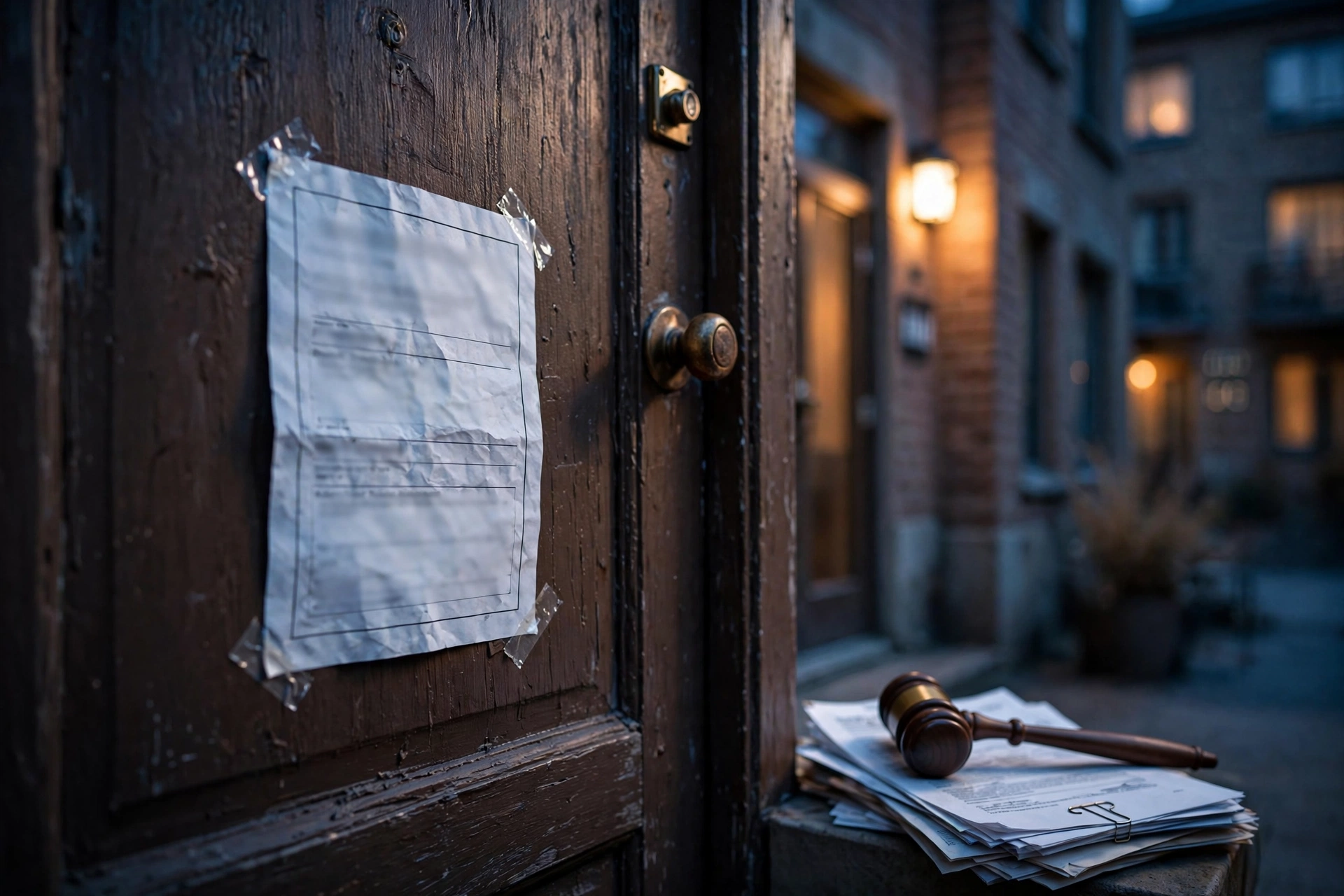
Your landlord kept your security deposit. The AC has been broken for a month. There is an eviction notice on your door. You are asking: what are my tenant rights in South Carolina, and what can I actually do about it?
South Carolina's Residential Landlord and Tenant Act gives tenants real, enforceable rights — including triple damages in some disputes. This guide covers the most common landlord-tenant disputes in South Carolina and how tenants win them.
This is the most common landlord-tenant dispute in South Carolina, and the law is strongly on the tenant's side.
Under S.C. Code § 27-40-410, your landlord must return your security deposit — plus a written, itemized list of any deductions — within 30 days after the lease ends and you move out. The landlord can deduct for unpaid rent and damage beyond normal wear and tear. The landlord cannot deduct for normal wear and tear, routine repainting, or ordinary cleaning.
If the landlord misses the 30-day deadline or wrongfully withholds your money, you can sue for up to three times the amount wrongfully withheld, plus attorney's fees. To protect yourself: give the landlord your forwarding address in writing, demand the deposit in writing, and photograph the unit when you move out.
A South Carolina landlord cannot evict you without going to court. Every eviction follows the same legal sequence:
The notice. For nonpayment of rent, the landlord must give you a 5-day written notice to pay or vacate. For other lease violations (unauthorized pets, unauthorized occupants, property damage), you get a 14-day notice to fix the violation or leave. To end a month-to-month tenancy, either side must give 30 days' written notice.
The lawsuit. If you do not pay, fix the violation, or leave, the landlord files an ejectment action in Magistrate Court. You will be served with a summons and complaint.
Your response. You have 10 days after service to respond in writing and request a hearing. Show up. Bring your lease, payment records, photos, and any notices. If you do not respond, the court can enter a default judgment against you.
The writ. If the landlord wins, the magistrate issues a writ of ejectment. Only a sheriff, deputy, or constable can physically remove you — and you get 24 hours' notice before the set-out.
There is no fixed timeline, but the statutory deadlines stack up: 5 days' notice, time for service, 10 days to respond, court scheduling, up to 5 days for the writ, and 24 hours before removal. In practice, an uncontested eviction can move in a few weeks; a contested one can take two to three months.
Do not assume you have months. The 10-day response deadline runs from service, and missing it can end your case before the hearing.
If your landlord changes the locks, removes your belongings, or shuts off your water or power to force you out without a court order, that is an illegal eviction — also called a self-help eviction or unlawful ouster.
South Carolina law punishes this harshly. Under S.C. Code § 27-40-660, a tenant who is illegally locked out can recover possession or terminate the lease, and can recover the greater of three months' rent or twice actual damages, plus attorney's fees. Only a court order, executed by law enforcement, can remove you. If this happened to you, call a lawyer immediately — these cases are strong.
Your landlord must keep the property fit and habitable: working electrical, plumbing, heating, and hot water; a sound roof, walls, and windows; and safe common areas. That duty comes from S.C. Code § 27-40-440.
When something breaks, put it in writing. Email or text counts — but written is what matters in court. Give the landlord a reasonable time to fix it (14 days is the standard benchmark; emergencies like no heat or no water demand faster action).
If the landlord still does nothing and the problem substantially affects habitability, you may have the right to terminate the lease, sue for damages, or call code enforcement for an inspection. Document everything: photos, dates, copies of every message.
This is where bad internet advice gets tenants evicted. South Carolina does not give tenants a general right to withhold rent because the landlord failed to make repairs. The landlord's duty to repair and your duty to pay rent are independent obligations.
Do not stop paying rent on your own. If you do, the landlord can serve a 5-day notice and evict you for nonpayment — even if the repair complaint was legitimate. If conditions are truly uninhabitable, talk to a lawyer before you stop paying. There are lawful ways to pressure a landlord; withholding rent is not one of them.
Most landlord-tenant disputes — security deposit claims, illegal lockouts, repair damages — are filed in Magistrate Court, which handles claims up to $7,500. The process is designed to be faster and simpler than circuit court, typically resolving in two to three months. Security deposit triple-damage claims fit squarely in this court.
Call a lawyer when: your deposit was not returned within 30 days, your landlord changed the locks or shut off utilities, you received an eviction summons, the landlord will not make the home habitable, or you suspect retaliation.
Traywick Law represents tenants in landlord-tenant disputes in every South Carolina county. Security deposit cases, illegal evictions, and repair disputes are claims tenants win — but deadlines are short and procedure matters. Call before you miss yours.
If your landlord kept your deposit, changed the locks, or served you with an eviction notice, talk to a tenant rights lawyer before your deadline passes.
Get a Free Consultation
Your landlord kept your security deposit. The AC has been broken for a month. There is an eviction notice on your door. You are asking: what are my tenant rights in South Carolina, and what can I actually do about it?
South Carolina's Residential Landlord and Tenant Act gives tenants real, enforceable rights — including triple damages in some disputes. This guide covers the most common landlord-tenant disputes in South Carolina and how tenants win them.
Security Deposit Disputes: The 30-Day Rule and Triple Damages
This is the most common landlord-tenant dispute in South Carolina, and the law is strongly on the tenant's side.
Under S.C. Code § 27-40-410, your landlord must return your security deposit — plus a written, itemized list of any deductions — within 30 days after the lease ends and you move out. The landlord can deduct for unpaid rent and damage beyond normal wear and tear. The landlord cannot deduct for normal wear and tear, routine repainting, or ordinary cleaning.
If the landlord misses the 30-day deadline or wrongfully withholds your money, you can sue for up to three times the amount wrongfully withheld, plus attorney's fees. To protect yourself: give the landlord your forwarding address in writing, demand the deposit in writing, and photograph the unit when you move out.
Eviction in South Carolina: The 5-Day Notice and the Court Process
A South Carolina landlord cannot evict you without going to court. Every eviction follows the same legal sequence:
The notice. For nonpayment of rent, the landlord must give you a 5-day written notice to pay or vacate. For other lease violations (unauthorized pets, unauthorized occupants, property damage), you get a 14-day notice to fix the violation or leave. To end a month-to-month tenancy, either side must give 30 days' written notice.
The lawsuit. If you do not pay, fix the violation, or leave, the landlord files an ejectment action in Magistrate Court. You will be served with a summons and complaint.
Your response. You have 10 days after service to respond in writing and request a hearing. Show up. Bring your lease, payment records, photos, and any notices. If you do not respond, the court can enter a default judgment against you.
The writ. If the landlord wins, the magistrate issues a writ of ejectment. Only a sheriff, deputy, or constable can physically remove you — and you get 24 hours' notice before the set-out.
How Long Does Eviction Take in South Carolina?
There is no fixed timeline, but the statutory deadlines stack up: 5 days' notice, time for service, 10 days to respond, court scheduling, up to 5 days for the writ, and 24 hours before removal. In practice, an uncontested eviction can move in a few weeks; a contested one can take two to three months.
Do not assume you have months. The 10-day response deadline runs from service, and missing it can end your case before the hearing.
Illegal Eviction: When Your Landlord Changes the Locks or Shuts Off Utilities
If your landlord changes the locks, removes your belongings, or shuts off your water or power to force you out without a court order, that is an illegal eviction — also called a self-help eviction or unlawful ouster.
South Carolina law punishes this harshly. Under S.C. Code § 27-40-660, a tenant who is illegally locked out can recover possession or terminate the lease, and can recover the greater of three months' rent or twice actual damages, plus attorney's fees. Only a court order, executed by law enforcement, can remove you. If this happened to you, call a lawyer immediately — these cases are strong.
Repairs Your Landlord Won't Make
Your landlord must keep the property fit and habitable: working electrical, plumbing, heating, and hot water; a sound roof, walls, and windows; and safe common areas. That duty comes from S.C. Code § 27-40-440.
When something breaks, put it in writing. Email or text counts — but written is what matters in court. Give the landlord a reasonable time to fix it (14 days is the standard benchmark; emergencies like no heat or no water demand faster action).
If the landlord still does nothing and the problem substantially affects habitability, you may have the right to terminate the lease, sue for damages, or call code enforcement for an inspection. Document everything: photos, dates, copies of every message.
Can You Withhold Rent in South Carolina?
This is where bad internet advice gets tenants evicted. South Carolina does not give tenants a general right to withhold rent because the landlord failed to make repairs. The landlord's duty to repair and your duty to pay rent are independent obligations.
Do not stop paying rent on your own. If you do, the landlord can serve a 5-day notice and evict you for nonpayment — even if the repair complaint was legitimate. If conditions are truly uninhabitable, talk to a lawyer before you stop paying. There are lawful ways to pressure a landlord; withholding rent is not one of them.
Breaking Your Lease Early
Breaking a lease early does not end your rent obligation — you owe rent until the landlord re-rents the unit, and South Carolina requires the landlord to try. Exceptions include uninhabitable conditions, an illegal lockout, or military orders.Retaliation Is Illegal
Complaining about a code violation is protected. Your landlord cannot retaliate by raising rent, cutting services, or filing eviction (S.C. Code § 27-40-910). If you are current on rent, they cannot take possession for at least 75 days after a retaliatory non-renewal.Where Tenants File: Magistrate Court
Most landlord-tenant disputes — security deposit claims, illegal lockouts, repair damages — are filed in Magistrate Court, which handles claims up to $7,500. The process is designed to be faster and simpler than circuit court, typically resolving in two to three months. Security deposit triple-damage claims fit squarely in this court.
When to Call a Tenant Rights Lawyer
Call a lawyer when: your deposit was not returned within 30 days, your landlord changed the locks or shut off utilities, you received an eviction summons, the landlord will not make the home habitable, or you suspect retaliation.
Traywick Law represents tenants in landlord-tenant disputes in every South Carolina county. Security deposit cases, illegal evictions, and repair disputes are claims tenants win — but deadlines are short and procedure matters. Call before you miss yours.
Talk to a Tenant Rights Lawyer
If your landlord kept your deposit, changed the locks, or served you with an eviction notice, talk to a tenant rights lawyer before your deadline passes.
Get a Free Consultation