Landlord Won't Make Repairs in South Carolina? What Tenants Can Do
South Carolina law requires landlords to keep rentals fit and habitable, and it gives tenants real remedies after written notice. It does not give a general right to stop paying rent or to fix things yourself and deduct the cost.
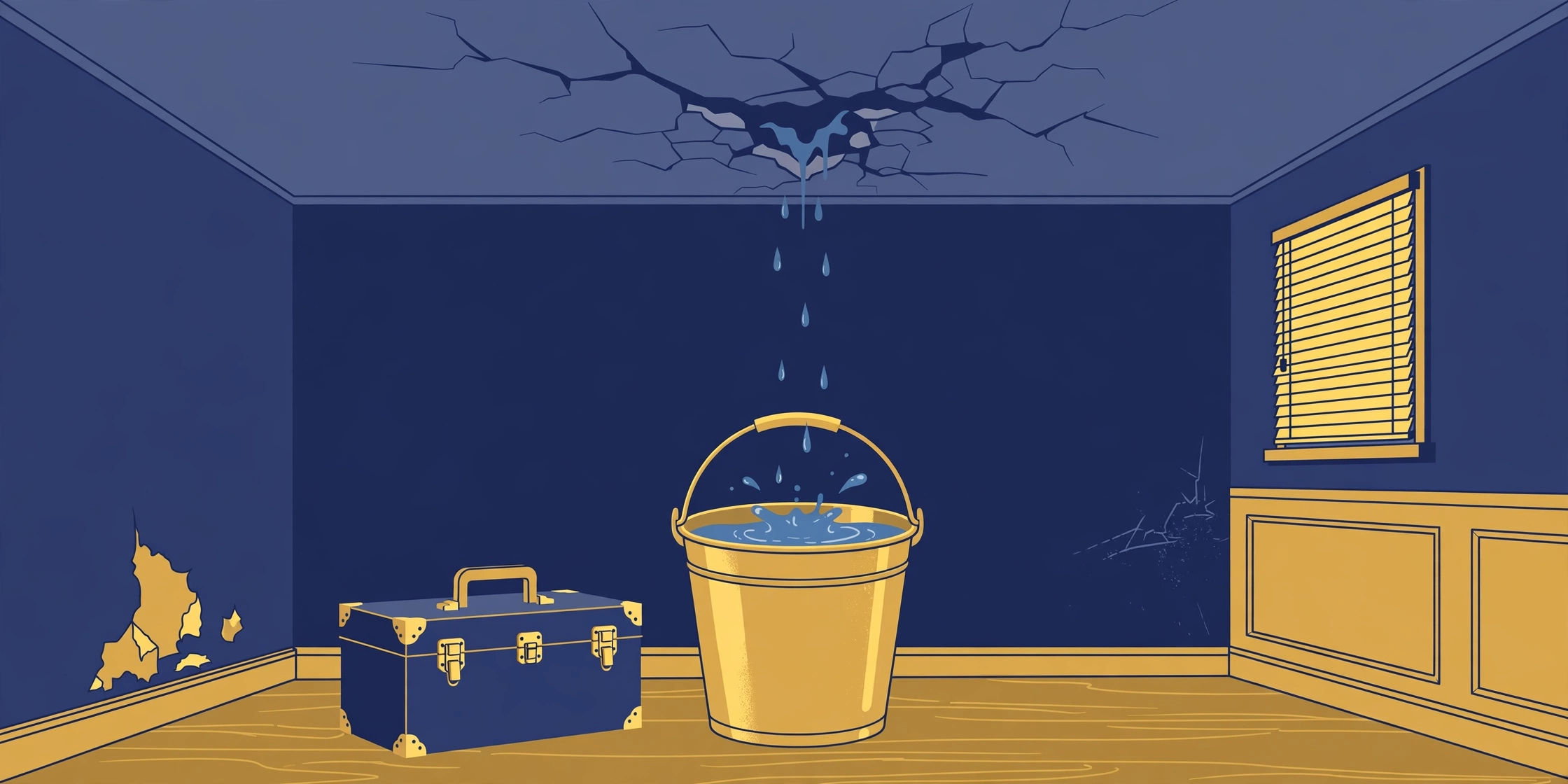
No hot water. A leak that grows mold. Heat that fails in winter. A sewage backup that makes a bathroom unusable. When a landlord will not make repairs, tenants feel trapped between a home that is not safe and a lease they cannot afford to break. Many tenants reach for the two tools they have heard about in other states. Stop paying rent until it is fixed. Or hire someone, fix it yourself, and take the cost out of the rent.
In South Carolina, those two moves are the trap, not the answer. The South Carolina Residential Landlord and Tenant Act, Title 27, Chapter 40 of the S.C. Code, gives tenants strong rights, but it channels those rights through written notice, a chance to cure, and court remedies. Rent keeps coming due while you use those rights. A tenant who stops paying without following the statute hands the landlord an eviction case, even when the repair complaint is real.
This guide explains what the landlord must maintain under Section 27-40-440, what you can do under Section 27-40-610 after written notice, the separate rule for essential services in Section 27-40-630, why there is no general right to withhold rent or to repair and deduct, how retaliation protection works under Section 27-40-910, and why magistrate court is often the forum. Read it before you miss a rent payment or pay a contractor out of pocket.
What Repairs Must a Landlord Make Under South Carolina Law?
Section 27-40-440 is titled Landlord to maintain premises. Subsection (a) lists duties the landlord shall perform. The landlord shall comply with the requirements of applicable building and housing codes materially affecting health and safety. The landlord shall make all repairs and do whatever is reasonably necessary to put and keep the premises in a fit and habitable condition. The landlord shall keep all common areas in a reasonably safe condition, and, for premises with more than four dwelling units, in a reasonably clean condition.
The same subsection requires the landlord to make available running water and reasonable amounts of hot water at all times and reasonable heat, except where the building is not required by law to be equipped for that purpose, or where heat or hot water is generated by an installation within the exclusive control of the tenant and supplied by a direct public utility connection.
The landlord must also maintain in reasonably good and safe working order and condition all electrical, gas, plumbing, sanitary, heating, ventilating, air conditioning, and other facilities and appliances, including elevators, supplied or required to be supplied by the landlord. Appliances present in the dwelling unit are presumed to be supplied by the landlord unless specifically excluded by the rental agreement. No appliances or facilities necessary to the provision of essential services may be excluded. That last sentence matters when a lease tries to shift a water heater, a heating system, or other essential equipment onto the tenant.
Essential services are defined in Section 27-40-210(17). The term means sanitary plumbing or sewer services, electricity, gas where it is used for heat, hot water, or cooking, running water, and reasonable amounts of hot water and heat, subject to the same building and tenant controlled installation limits stated in the definition. When a failure involves one of those services, the faster essential services remedy in Section 27-40-630 may apply, as explained below.
Not every annoyance is a breach of Section 27-40-440. A cosmetic stain, a minor drip that does not affect health or the physical condition of the property, or a broken amenity with no code or habitability impact may be a lease dispute rather than a statutory habitability breach. The strongest repair cases tie the condition to a code duty, to health and safety, or to the physical condition of the property, with photos, dates, and, where available, a code inspector finding. Describe the condition in those terms in your notice. A leaking sewage line, no heat in winter, no running water, unsafe wiring, and a roof leak causing ceiling collapse risk are the kinds of conditions the statute was written to address.
For a broader view of tenant rights in disputes with a landlord, read our guide to South Carolina landlord tenant disputes and tenant rights.
How Do I Give Notice So the Law Protects Me, Not the Landlord?
Written notice is the hinge of every remedy in this article. Section 27-40-610 requires the tenant to deliver a written notice specifying the acts and omissions that make up the breach. Section 27-40-630 requires written notice specifying the breach before essential services rights arise, and those rights do not arise until the landlord fails to act within a reasonable time after notice. Section 27-40-640, which lets a tenant raise landlord noncompliance as a defense in a possession or rent case, treats the tenant as having waived that defense for a period when the landlord had no notice fourteen days before rent was due for non essential service violations, or no notice before rent was due that gave a reasonable chance to make emergency repairs for essential services.
Write the notice like a record, because that is what it will become. Date it. Name the landlord and the address of the unit. Describe each condition plainly, when it began, and how it affects health, safety, or the physical condition of the property. State the code or habitability impact you are aware of, without guessing at code sections you have not confirmed. Ask for repair within the time the statute provides. Keep a complete copy, with proof of delivery.
What Can I Do if the Landlord Does Not Fix It Within 14 Days?
Section 27-40-610 is the general tenant remedy for landlord noncompliance. Subsection (a) applies when there is a material noncompliance by the landlord with the rental agreement, or a noncompliance with Section 27-40-440 materially affecting health and safety or the physical condition of the property. The tenant may deliver a written notice specifying the breach and stating that the rental agreement will terminate on a date not less than fourteen days after receipt of the notice if the breach is not remedied within fourteen days.
If the landlord adequately remedies the breach before the date stated in the notice, the rental agreement does not terminate for that breach. If a remedy for a breach not affecting health and safety cannot be finished within fourteen days, but is begun within that period and pursued in good faith to completion within a reasonable time, the agreement does not terminate for that breach either. If the landlord does neither, the agreement terminates as provided in the notice. The tenant may not terminate for a condition caused by the deliberate or negligent act of the tenant, a family member, or another person on the premises with the tenant permission or allowed access by the tenant.
Termination is a real remedy, but understand what it does. It ends the lease on the stated date and frees you to leave without owing rent for the period after lawful termination, subject to the facts and any dispute the landlord raises. It does not, by itself, pay you back for the weeks you lived with the condition. For money, look at subsection (b).
Section 27-40-610(b) provides that the tenant may recover actual damages and obtain injunctive relief in a magistrate court or circuit court, without posting bond, for any noncompliance by the landlord with the rental agreement or Section 27-40-440. If the landlord noncompliance is wilful, the tenant may recover reasonable attorney fees. Subsection (c) adds that if the rental agreement is terminated, the landlord shall return security recoverable by the tenant under Section 27-40-410, and wilful noncompliance can again support reasonable attorney fees.
Actual damages in a repair case are commonly measured by the loss in value of the unit while the condition lasted, plus out of pocket losses the condition caused, when those losses are proved. Keep receipts for a hotel night when the unit had no water, for ruined belongings from a known leak, for added utility costs from a faulty system, and for medical care tied to the condition, if any. A court cannot award what you cannot document. A claim for the drop in rental value needs a comparison. What you paid, what the unit was worth with the condition, and how long the condition lasted after notice are the facts that support that number.
Injunctive relief means a court order telling the landlord to comply. That remedy matters when you want to stay and want the repair done, not just money or an exit. Ask a lawyer whether seeking an order, damages, or termination, or a combination the statute allows for distinct breaches, best fits your goal. Section 27-40-630(b) warns that if you proceed under the essential services section for a breach, you may not also proceed under Section 27-40-610 for that same breach. Choices have consequences, so make them deliberately.
What if I Have No Water, No Hot Water, or No Heat in Winter?
Section 27-40-630 is the essential services section, titled in substance as wrongful failure to provide essential services. Subsection (a) applies if the landlord is negligent or wilful in failing to provide essential services as required by the rental agreement or Section 27-40-440. The tenant may give written notice specifying the breach and may then choose one of two paths stated in the section.
First, the tenant may procure reasonable amounts of the required essential services during the period of landlord noncompliance and deduct the actual and reasonable cost from the rent. Second, the tenant may recover damages based on the drop in the fair market rental value of the dwelling unit, plus reasonable attorney fees. Read the first path narrowly. It lets you buy the missing service itself, such as a reasonable supply of water or heat, during the outage. It is not a license to remodel a bathroom or replace a whole system at the landlord charge and call it a service.
Subsection (c) states the limit in direct words, paraphrased here to its exact substance. Under no circumstances should that section be read to authorize the tenant to make repairs on the rental property and deduct the cost of the repairs from rent. If a tenant acts without landlord consent and authorizes repairs anyway, any mechanic lien arising from that work is unenforceable. That sentence, in the statute itself, is the clearest answer in South Carolina law to the repair and deduct idea. Outside the narrow essential services purchase in subsection (a)(1), there is no general repair and deduct right in the Act.
Subsection (d) adds timing and fault limits. Rights under Section 27-40-630 do not arise until the tenant has given notice and the landlord fails to act within a reasonable time, or if the condition was caused by the deliberate or negligent act of the tenant, family, or a guest or other person allowed access by the tenant. In a true emergency, a reasonable time can be short. Document the hour you gave notice, the outside temperature when heat failed, and every landlord response or silence that followed.
Section 27-40-660 gives a further remedy when a landlord unlawfully removes or excludes a tenant, or wilfully diminishes services by interrupting or causing interruption of essential services. In that setting the tenant may recover possession or terminate the agreement and, in either case, recover an amount equal to three months rent or twice the actual damages sustained, whichever is greater, plus reasonable attorney fees, subject to the section terms. A landlord who shuts off water or power to force a tenant out is in far worse legal ground than a landlord who is merely slow. If that happens, get advice the same day and keep every shutoff notice and utility record.
Can I Just Stop Paying Rent Until the Landlord Fixes Everything?
No, not as a general right, and doing so is the most common way tenants with valid repair complaints lose. The Act gives no general right to stop paying rent because a repair is overdue. Rent remains due under the rental agreement while you pursue notice, termination, damages, or an injunction. Section 27-40-710(B) lets a landlord terminate the rental agreement for unpaid rent when rent is unpaid when due and the tenant fails to pay within five days from the date due, after the written notice the section requires or the conspicuous lease notice the section allows. An eviction filing, called ejectment, can follow in magistrate court.
Section 27-40-640 does let a tenant raise the rental agreement and the Act as defenses and counterclaims in an action for possession based on nonpayment, or in an action for rent for a period when the tenant is in possession. That is a shield in court, not a permission slip to withhold. The waiver limits in subsection (b) punish late notice. If the landlord had no notice fourteen days before rent was due for a non essential service breach, or no notice before rent was due giving a reasonable chance for emergency essential service repairs, the tenant is treated as having waived the maintenance violation as a defense for that period. Tenants who complain only after rent is already withheld often discover that the timing defeats the defense they counted on.
Disputes like these often sit beside other consumer claims, such as deceptive leasing practices. Our page for a Charleston consumer fraud attorney explains how our firm evaluates those cases.
What if the Landlord Retaliates After I Complain About Repairs?
Section 27-40-910 prohibits retaliatory conduct. Subsection (a) provides that a landlord shall not retaliate by increasing rent to an amount above fair market value, by decreasing essential services, or by bringing an action for possession after the tenant has complained to a governmental agency charged with enforcing a building or housing code about a violation applicable to the premises materially affecting health and safety, or after the tenant has complained to the landlord of a violation of the chapter.
If the landlord acts in violation of that rule, subsection (b) gives the tenant the remedies in Section 27-40-660 as a defense in a retaliatory action for possession, with attorney fee rules that cut both ways when a defense is without merit or raised in bad faith. Subsection (h) adds that a landlord who retaliates for protected conduct is liable for damages up to three months rent or treble the actual damages sustained, whichever is greater, plus reasonable attorney fees. The section also sets limits. A landlord may still bring an action for possession in the situations listed in subsection (c), including when the code violation was caused mainly by the tenant lack of reasonable care, when there is material tenant noncompliance under Sections 27-40-710 or 27-40-720, or when code compliance requires work that would effectively deprive the tenant of use of the unit.
Timing proof matters in retaliation cases. Keep the date of your code complaint, the agency name, the inspector visit record, and the date of any rent increase, service cut, or possession filing that followed. Subsection (f) requires a tenant who intends to raise this defense in a possession action to notify the landlord in writing within ten days after service of the Rule to Vacate or Show Cause of the intent to do so. Miss that ten day notice and you may lose a defense you otherwise had. If you are served with eviction papers, count days from the service date at once and get advice before the answer date arrives.
Where Do I File, and What Should I Bring to Court or to a Lawyer?
Section 27-40-130 gives circuit courts and magistrate courts concurrent jurisdiction over conduct governed by the chapter and claims arising from a transaction subject to the chapter. Section 27-40-610(b) likewise names magistrate court and circuit court for tenant damages and injunctive relief, without posting bond. In practice, most tenant repair cases that are filed go to magistrate court, the local court that also hears eviction and small claims matters. Filing fees, forms, and hearing practice vary by county, so confirm the current requirements with the clerk in the county where the unit sits before you file. Do not rely on a form or fee from another county or another state.
Bring a file, not a story alone. Bring the lease and every amendment and rule you signed. Bring each written repair notice with proof of delivery and a timeline that matches notice dates to rent due dates. Bring dated photos and videos, code inspection records, contractor or utility findings, receipts for losses, and a rent ledger showing what you paid and when. Bring the names and contact details for neighbors or other witnesses who saw the condition. A judge can act on records. A judge cannot act on a condition that is described only in general terms months later.
Leaving a unit that is truly unsafe needs care as well. South Carolina tenants sometimes ask about constructive eviction, the older idea that conditions so bad that they force a tenant out can be treated as an eviction by the landlord. This article does not rest your plan on that label, because the Act gives you a clearer statutory path. Use the Section 27-40-610 notice and termination process, document why the unit could not be used, and keep proof that the landlord had notice and a chance to cure. A tenant who simply walks away mid lease with no statutory notice risks owing rent for the remaining term, subject to the landlord duty to mitigate and the facts of re rental. A tenant who follows the statute has a record that answers that claim.
Frequently Asked Questions When a Landlord Will Not Make Repairs
Can I fix it myself and take the cost out of my rent in South Carolina?
As a general rule, no. Section 27-40-630(c) states that the essential services section must not be read to authorize a tenant to make repairs and deduct the cost from rent. The only deduction the Act states in that section is for reasonable amounts of the missing essential service itself, bought during the outage after notice, under Section 27-40-630(a)(1). Paying a contractor to repair landlord property and deducting that bill can leave you owing full rent plus the contractor cost.
Can I stop paying rent if the apartment is uninhabitable?
The Act gives no general right to stop paying rent. Rent stays due while you give notice and pursue termination, damages, or an injunction. Landlord noncompliance can be raised as a defense and counterclaim under Section 27-40-640 in a possession or rent case, but late notice can waive that defense for the period in question. Stopping rent first and complaining later is the riskiest order to do things in.
How long does my landlord have to fix a serious problem?
Under Section 27-40-610(a), your written notice states a termination date not less than fourteen days after the landlord receives the notice, if the breach is not remedied within fourteen days. For essential services under Section 27-40-630, your rights arise after notice and a failure to act within a reasonable time, which can be much shorter in a true emergency such as no heat in freezing weather or no water at all.
What damages can I get for living with a condition the landlord would not fix?
Section 27-40-610(b) allows actual damages and injunctive relief in magistrate or circuit court, without posting bond, and reasonable attorney fees when the landlord noncompliance is wilful. For essential services, Section 27-40-630(a)(2) allows damages based on the drop in fair market rental value, plus reasonable attorney fees. Keep receipts and a timeline, because damages must be proved.
My landlord raised my rent and filed for eviction right after I called code enforcement. Is that legal?
It may be retaliation barred by Section 27-40-910. That section bars a landlord from raising rent above fair market value, decreasing essential services, or bringing a possession action after a tenant complains to a code agency about a material health and safety violation or complains to the landlord of a chapter violation. If you are served with a Rule to Vacate or Show Cause, Section 27-40-910(f) requires written notice of your intent to raise the retaliation defense within ten days after service. Act on that deadline at once.
Get Help With a South Carolina Landlord Who Will Not Make Repairs
You do not have to choose between living with a dangerous condition and risking an eviction record. Traywick Law Offices, LLC helps South Carolina tenants use the notice, termination, damages, and retaliation rules in the Residential Landlord and Tenant Act in the right order. Bring your lease, your repair notices, your photos, and your rent records to a free consultation. We will test the condition against Section 27-40-440, check whether your notice satisfies Sections 27-40-610 or 27-40-630, and map the safest next step for staying, leaving, or filing.
Call Traywick Law Offices at (843) 343-5092, or request a review through our free consultation intake. Our online address is 38 Romney St, Suite 104, Charleston, SC 29403. If you have been served with eviction papers, say so when you call. Court dates and the ten day retaliation notice do not wait.