Debt Settlement or Bankruptcy in South Carolina? An Honest Comparison
Settlement asks creditors to accept less than the balance, while bankruptcy uses a court process to discharge or repay debt. This honest comparison covers South Carolina wage protection, licensing, fees, taxes, and exemptions.
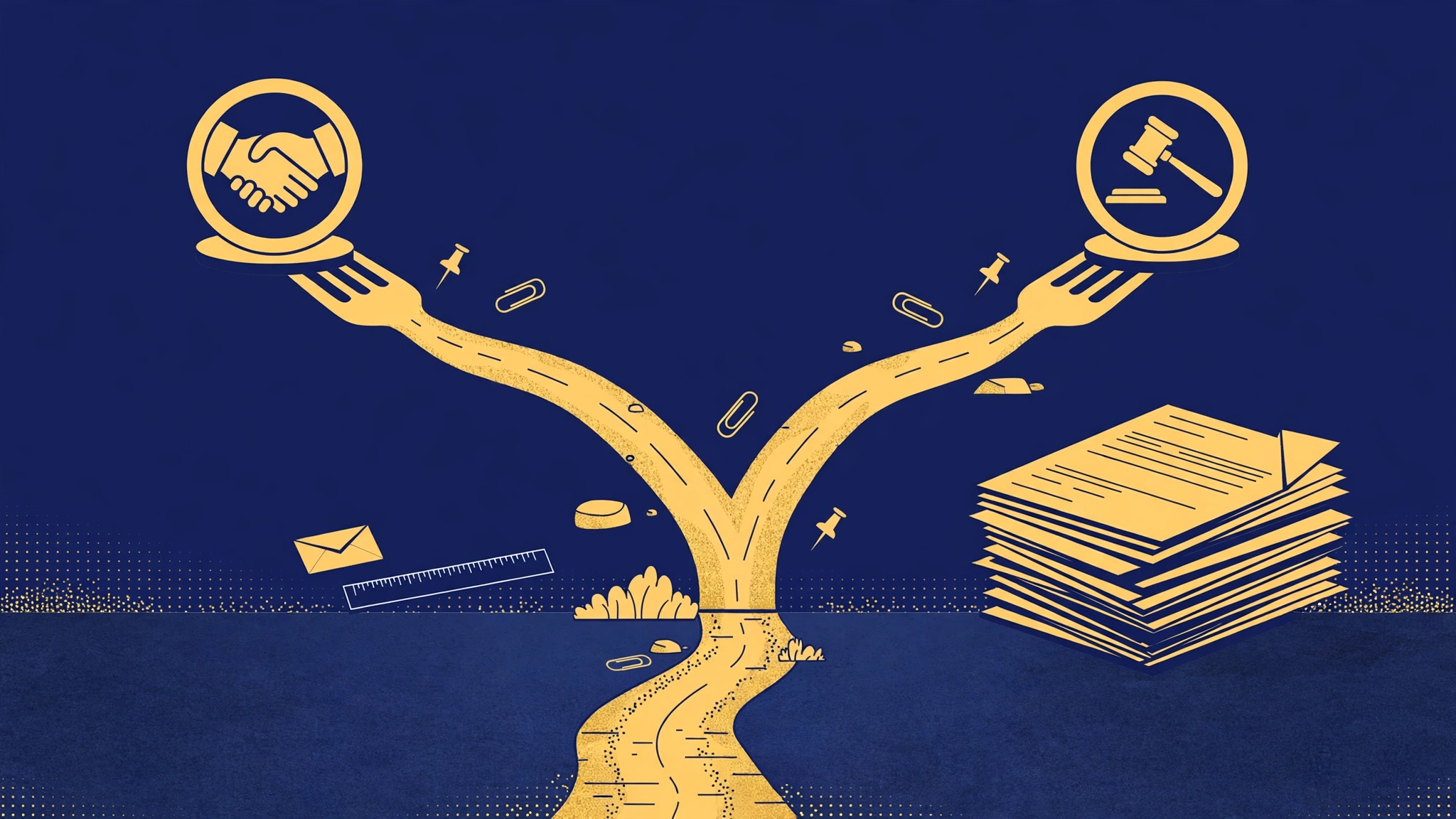
When the balances will not go down, two paths come up again and again. One is debt settlement, where you or your lawyer asks each creditor to accept less than the full balance. The other is bankruptcy, where a federal court process either discharges debts or puts you on a court supervised repayment plan. Both paths are lawful. Both can help the right household. Both can hurt the wrong household if chosen without a full look at income, assets, taxes, and pending lawsuits.
This guide gives an honest comparison for South Carolina readers. Our firm negotiates settlements and defends collection suits. For some households, bankruptcy is still the right tool, and we say so plainly in this article. The goal is not to sell one path. The goal is to show how each path works, what it costs, what it cannot do, and which South Carolina rules change the math.
How Does Debt Settlement Work When You Cannot Pay the Full Balance?
Debt settlement is negotiation. You offer a creditor a lump sum, or a short series of payments, for less than the balance, in exchange for a written agreement that the debt will be treated as settled and closed. Creditors are never required to agree. A creditor can refuse, can counter with a higher figure, can insist on full payment, or can sue instead of settling. Anyone who promises that every creditor will accept a set discount is promising something no one controls.
Timing and leverage matter. A creditor with a recent account and a borrower who is current may see little reason to discount. A creditor facing an old, charged off account, a borrower with limited income, and a real risk of collecting nothing may listen to a lower offer. Funds matter too. A settlement offer backed by money that is actually available now is stronger than a hope that money will appear months later. Most successful settlements are funded, documented, and closed in writing, one account at a time.
While negotiations run, interest and late charges may keep adding to balances, collection calls may continue, and credit reporting may worsen before it improves. Accounts that are not paid can be charged off and sold to debt buyers. A creditor or buyer can file a collection lawsuit, and settlement talks do not, by themselves, stop a suit that has been filed. If you are served with a summons and complaint, the court deadline in that case controls, no matter what a negotiator told you on the phone.
Get every settlement in writing before you pay. The writing should identify the account, the amount accepted, the due dates, and the agreement that the balance will not be collected after you pay as agreed. Keep proof of each payment. A phone promise is hard to enforce when a different collector calls a year later claiming the balance remains.
For a closer look at negotiated workouts in the Charleston area, see our page for a Charleston debt workout attorney.
Who Is Allowed to Offer Debt Settlement Help in South Carolina?
South Carolina licenses credit counseling organizations, including organizations that offer debt management plans and debt settlement services, under the Consumer Credit Counseling chapter in Title 37, Chapter 7 of the S.C. Code, Sections 37-7-101 and following. Section 37-7-101 defines debt settlement as action or negotiation with a creditor to obtain forgiveness of a portion of credit extended or a reduction of payments, charges, or fees. It defines a debt management plan as a program in which an organization agrees to engage in debt settlement or debt pooling and distribution services for a consumer.
Section 37-7-102 states the licensing rule in plain terms. A person may not engage in credit counseling services in South Carolina, whether or not the person has an office or other physical presence in this state, unless the person obtains a license from the South Carolina Department of Consumer Affairs under that chapter. Section 37-7-103 requires a surety bond. The bond must equal or exceed the total amount of South Carolina client funds in the trust account, and it must be at least twenty-five thousand dollars. Those are verified figures from the code text. Before you hand funds to any organization, ask for its South Carolina license and check it with the Department.
Section 37-7-116 lists prohibited acts for licensees. Among other things, a licensee may not obtain a waiver of rights the consumer has under the chapter, may not collect a payment before the payment is earned as specifically defined in the contract, may not use unconscionable means to obtain a contract or collect a debt, and may not engage in an unfair or deceptive act or practice in connection with the service, its contracts, or its advertising. A violation of that section renders the agreement between the licensee and the consumer void, under the text of the section. If a company will not put its fees, its license, and its duties in writing, walk away.
What Is the Federal Ban on Advance Fees for Debt Relief Sold by Phone?
Federal law adds a hard rule for debt relief services sold through telemarketing. The Federal Trade Commission Telemarketing Sales Rule, at 16 C.F.R. Section 310.4(a)(5), bans advance fees for those services. In substance, a seller may not request or receive payment of any fee until it has renegotiated, settled, reduced, or otherwise changed the terms of at least one of the consumer debts, the consumer has agreed in writing to the settlement or plan, and the consumer has made at least one payment under that agreement.
That sequence is the protection. A promise is not enough. A signed enrollment form is not enough. A debt must actually be settled, you must agree to it in writing, and you must make a payment toward it, before the telemarketed service can take a fee. Monthly maintenance charges, enrollment charges, and similar upfront charges collected before that point are the exact practice the rule targets.
If a caller demands money before settling anything, treat that demand as a red flag and end the call. Ask for the company legal name, its South Carolina license, and its offer in writing. A lawful service can survive those questions. A scam usually cannot.
How Are Chapter 7 and Chapter 13 Bankruptcy Different in Plain Terms?
Bankruptcy is a federal court process under Title 11 of the United States Code. The two chapters most households use are Chapter 7 and Chapter 13, and they work in opposite ways.
Chapter 7 is liquidation. A trustee reviews your assets and your exemptions. Assets that are not protected by an exemption can be sold to pay creditors. Most household cases have no nonexempt assets for a trustee to sell, but that outcome must be proved with schedules and exemption analysis, not assumed. Debts that the law allows to be discharged are then wiped out, and the case is often completed in months rather than years. Not every debt can be discharged. Support duties, many tax debts, and debts incurred through fraud are among the categories that can survive, depending on the facts and the governing sections.
Chapter 7 has a means test. The test compares your income and allowed expenses against a standard to decide whether you are presumed to be abusing the system by seeking a liquidation instead of repaying something. This article states no median income figures, because those figures change and a wrong figure would mislead you. A bankruptcy lawyer runs the means test on your actual household income and documents before advising you that you qualify.
Chapter 13 is a repayment plan. You propose a plan to pay some or all debts over three to five years, through payments to a trustee who distributes funds to creditors. The plan must meet court requirements and be confirmed by the court. If you complete the plan, remaining dischargeable balances covered by the plan can be discharged. If you fall behind, the case can be dismissed, and creditors can resume collection. Chapter 13 can help a household catch up on a home or vehicle obligation through a plan in a way Chapter 7 cannot, but it asks for years of steady payments and court oversight.
Both chapters are public court filings. Both affect credit. Both require full disclosure of income, assets, debts, and recent transfers. Hiding an asset or a transfer in bankruptcy is a serious federal problem, not a strategy. If bankruptcy is the right path, it must be done completely and honestly.
Our overview for readers who feel overwhelmed by credit card debt walks through the first questions to ask before choosing any path.
What Does the Automatic Stay Stop, and Why Does It Matter So Much?
The automatic stay is one of the strongest tools in bankruptcy, and settlement has no equal to it. Under 11 U.S.C. Section 362, filing a bankruptcy petition generally triggers a stay that halts most collection activity at once, without a separate court order. Lawsuits, foreclosure steps, repossession efforts, garnishment efforts, and collection demands from most creditors must pause while the stay is in force.
The stay is not absolute. The statute lists exceptions in Section 362(b), and a secured creditor can ask the court for relief from the stay under Section 362(d) in the right circumstances. Support enforcement and certain tax and criminal matters are treated differently from ordinary credit card collection. Repeat filings can shorten or prevent the stay. Still, for a household facing a foreclosure date, a repossession, or several suits at once, the stay is often the reason bankruptcy beats settlement. Settlement negotiates with one creditor at a time. The stay addresses nearly all creditors at the same moment.
Settlement offers no stay. A creditor who has not agreed to settle can keep calling, keep reporting, and, subject to collection law, sue. A creditor who has agreed in writing to pause collection while a funded offer is reviewed may pause by contract, but that pause is only as good as the writing and only binds that creditor.
What Is the Tax Trap When a Creditor Forgives Part of Your Debt?
This trap surprises more families than any other in settlement. When a creditor forgives or cancels debt, the tax law generally treats the forgiven amount as income to you, because you received the benefit of money you did not repay. If the canceled amount is six hundred dollars or more, the creditor generally reports it to the Internal Revenue Service and to you on Form 1099-C, Cancellation of Debt, under the reporting rule in 26 U.S.C. Section 6050P. Receiving that form in January can turn last year settlement win into this year tax bill.
Two exclusions in 26 U.S.C. Section 108 matter most here. Section 108(a)(1)(A) excludes debt discharged in a Title 11 bankruptcy case from gross income. Section 108(a)(1)(B) excludes debt discharged when the taxpayer is insolvent, but only up to the amount of insolvency. Insolvent, under Section 108(d)(3), means the excess of liabilities over the fair market value of assets, measured right before the discharge. Section 108(a)(3) confirms that the insolvency exclusion is limited to that amount. Amounts claimed under these exclusions are generally reported on Form 982.
Read the contrast carefully. Debt settled outside bankruptcy for a solvent household can create taxable income on the forgiven part. The same kind of debt discharged in bankruptcy is excluded by Section 108(a)(1)(A). A household that is deeply insolvent may exclude settled debt under the insolvency rule, but insolvency must be proved with a full list of assets and debts valued at the right date. Do not guess. A settlement plan that ignores taxes can cost more than it saves. Get tax advice on your own figures before you settle a large balance, and keep the 1099-C and Form 982 analysis with your return records.
Can a Creditor Garnish My Wages for Credit Card Debt in South Carolina?
For ordinary consumer debt, South Carolina gives workers a protection many states do not. S.C. Code Section 37-5-104 is titled in substance as a bar on garnishment for consumer credit. It provides that no garnishment may issue on an employer because a consumer owes a debt from a consumer credit sale, a consumer loan, a consumer lease, or a consumer rental purchase agreement, subject to the statute own terms. In plain language, a credit card creditor with a judgment for consumer debt cannot take that judgment to your employer and have your unpaid wages withheld the way creditors can in many other states.
That protection has limits you must understand. It covers consumer credit debts within the statute. It does not erase the debt, the judgment, or other collection methods. A judgment creditor may still pursue bank accounts, nonprotected property, and liens through execution, subject to exemptions and court process. Wages already paid and deposited can lose the practical shield that unpaid earnings have, which is why bank levy risk must be discussed before a judgment is entered. Debts owed to government, court ordered support, and certain federal collections follow different authority and are not stopped by Section 37-5-104. An out of state garnishment order can also raise separate questions. Never ignore a garnishment paper because you read that South Carolina bars garnishment. Get it reviewed at once.
The three year clock matters here too. Section 15-3-530(1) sets a three year period for an action on a contract, obligation, or liability, express or implied, subject to the exceptions in the limitations chapter. Credit card suits in South Carolina are commonly tested against that three year period. Whether the clock has run depends on when the claim accrued, what payments or written promises were made, and which law applies to the account agreement. Do not assume an old debt is time barred, and do not let a collector assume it is timely. Both sides must prove the dates.
These South Carolina protections change the settlement math. A creditor who cannot garnish consumer wages has less leverage than a creditor in a garnishment state. That does not make the creditor powerless, especially after judgment, but it does affect what a reasonable settlement looks like and how urgent a bankruptcy filing truly is. Our guide for readers who are drowning in credit card debt and cannot keep making payments covers the triage steps that come before either path.
What Property Does South Carolina Law Protect if I File Bankruptcy or Face a Judgment?
Exemptions decide what you keep. South Carolina debtors in bankruptcy generally use the state exemption list in S.C. Code Section 15-41-30, rather than choosing a federal list, and the same exemptions matter when a judgment creditor tries to execute on property outside bankruptcy. Section 15-41-30 protects categories such as a residence interest, a motor vehicle, household goods, and other listed property, up to the amounts the statute allows.
The homestead figure needs special care. The statute base amounts for the residence exemption are adjusted on a schedule set by the statute, using a consumer price index adjustment published through the state process described in Section 15-41-30. Because the adjusted amount changes over time, this article does not print a single current dollar figure for the homestead exemption. Printing a stale figure would be worse than printing none. A lawyer handling your case must check the current adjusted amount in force on your filing date and apply it to your actual equity, after mortgages and liens are counted.
Equity is the key word. An exemption protects equity, not the full value of a house or car. A home worth far more than its mortgage can have equity that exceeds an exemption, creating risk in Chapter 7. A home with little or no equity may be fully protected in practice. Vehicles, bank balances, tax refunds, and claims you hold against others must all be listed and tested. A settlement path avoids a trustee sale analysis, but it does not avoid a judgment creditor exemption fight later if a creditor sues and wins.
Bring a full asset list to any consultation, including deeds, vehicle titles, bank statements, retirement accounts, and business interests. Advice given without that list is a guess.
Which Path Fits Which Household in South Carolina?
Settlement tends to fit a household with a limited set of debts, a way to fund offers within a reasonable window, no urgent foreclosure or repossession date, and assets or income that would create problems in bankruptcy. It also fits a household whose main goal is to resolve a small number of accounts without a public court filing, and who can accept the credit, tax, and lawsuit risks that run during negotiations. A defended collection suit can pair with settlement. Sometimes the best settlement is reached after a creditor sues and learns that liability, amount, or timeliness will be contested.
Bankruptcy tends to fit a household with many creditors, total debt that cannot be funded for settlement at any realistic discount, a foreclosure or repossession that needs the automatic stay, or a tax result that makes settlement far more costly than it first appeared. Chapter 7 fits when exemptions protect the household property and the means test is met. Chapter 13 fits when income is steady, a plan can cure a home or vehicle default, or Chapter 7 is unavailable or unwise on the household figures.
Cost comparisons must be complete. Settlement cost is not just the amount paid to creditors. It includes professional fees, taxes on forgiven amounts that are not excluded, interest that accrues during talks, and the cost of defending any suit filed along the way. Bankruptcy cost is not just a filing fee. It includes attorney fees, court and course costs where they apply, possible loss of nonexempt property in Chapter 7, and years of plan payments in Chapter 13. Compare totals, not slogans.
Frequently Asked Questions About Debt Settlement and Bankruptcy in South Carolina
Will every creditor agree to settle for less than I owe?
No. Creditors are never required to agree to a settlement. Some will discount, some will demand more, and some will sue. A funded offer, clear hardship facts, and a written agreement improve your odds, but no discount can be promised in advance.
Is it illegal for a debt settlement company to charge me upfront?
For debt relief services sold through telemarketing, yes, advance fees are banned by 16 C.F.R. Section 310.4(a)(5) until at least one debt is settled, you agree in writing, and you make a payment under the agreement. South Carolina licensing law also bars a licensee from collecting a payment before it is earned as defined in the contract, under Section 37-7-116.
Will I owe tax if a credit card company forgives part of my balance?
Often, yes, unless an exclusion applies. Forgiven amounts of six hundred dollars or more are generally reported on Form 1099-C. Debt discharged in bankruptcy is excluded under 26 U.S.C. Section 108(a)(1)(A), and debt discharged while you are insolvent can be excluded up to the amount of insolvency under Section 108(a)(1)(B). Get advice on your own asset and debt figures.
Can a credit card company take my paycheck in South Carolina?
For consumer credit debt covered by S.C. Code Section 37-5-104, a creditor cannot use garnishment against your employer for unpaid wages. That protection does not stop bank levies, property execution, or liens, and it does not cover government debts or support. Do not ignore collection papers based on this rule alone.
Does filing bankruptcy stop a lawsuit that was already filed against me?
Generally, filing triggers the automatic stay under 11 U.S.C. Section 362, which halts most collection suits while the stay is in force, subject to statutory exceptions and court orders granting relief from the stay. Tell any lawyer you consult about every pending case and every upcoming date.
How long do I have before a creditor must sue me on a credit card debt?
Section 15-3-530(1) sets a three year period for actions on a contract, obligation, or liability, express or implied. When that period starts and whether it was paused or restarted depends on account facts, payments, and written promises. Have the dates reviewed rather than relying on the age of the debt alone.
Get an Honest Review of Your Debt Options in South Carolina
Traywick Law Offices, LLC negotiates debt settlements and defends collection suits for South Carolina households, and we will tell you when bankruptcy looks like the stronger tool for your figures. Bring your statements, any court papers, your income and asset list, and your most recent tax return to a free consultation. We will map each debt, test the three year clock, review wage and exemption protections, and price the tax effect before recommending a path.
Call Traywick Law Offices at (843) 343-5092, or request a review through our free consultation intake. Our online address is 38 Romney St, Suite 104, Charleston, SC 29403. Do not pay an advance fee, sign a settlement you have not read, or ignore a court deadline while you decide. Get the comparison on paper first.